Emotional Processing Scale
In conducting a research project into emotional processing and panic, our research team had major problems in finding an adequate measure of emotional processing. Measures of emotional control, emotional regulation, emotional intelligence, frequency and intensity of emotions and alexithymia were all relevant but each only measured one aspect of processing. We thought that if a simple self administered measure of emotional processing could be devised, it could be useful to studies looking at different types of psychotherapy. It could also be used in experimental studies trying to understand emotional change and for basic research in emotions. It might also be helpful for psychological therapists and counsellors seeking to formulate clients’ problems in terms of psychological coping mechanisms rather than diagnostic categories. From 2000 to 2012 we sought to develop such a simple but psychometrically sound measure of emotional processing called the ’emotional processing scale’.
Emotional wellbeing in the workplace
Stress is inevitable but mental illness is not.
Stress is part of life. How we understand, experience and process its emotional impact can make all the difference.
Your emotional processing style can be a powerful source of resilience. Learning to recognise and respond to your emotions in a healthy way can help you navigate life’s challenges, resolve difficult experiences and strengthen your protection against the harmful effects of prolonged stress.
Understand your emotions. Build your resilience.
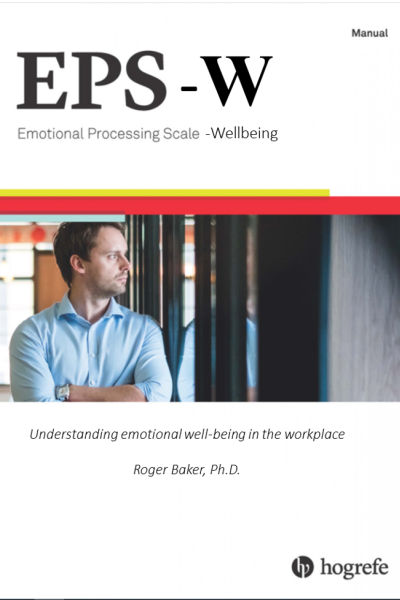
The Emotional Processing Scale – Wellbeing (EPS-W) gives you a deeper understanding of your emotional life and offers practical developmental insights to help strengthen your emotional resilience.
This 27-item online questionnaire creates your own Personal Insight Report, exploring your emotions across five key dimensions. Your individual profile is compared against population norms, helping you understand where your emotional strengths lie and identify areas where there may be opportunities for growth and development.
Whether you are looking to gain greater self-awareness, build resilience or better understand how you respond to life’s pressures, the EPS-W can provide valuable insight to support your personal development.
Supporting emotional well-being in the workplace
The EPS-W is available to businesses and organisations that want to support and improve the emotional well-being of their employees.
By helping individuals better understand their emotional responses and develop greater resilience, organisations can take a meaningful step towards creating healthier and more productive workplaces.
What people say about their Personal Insight Report
Fascinating look into me and my emotions. Useful to have the development section for reflection and potential to action for personal growth.
I felt all the sections described me quite well. I think the only one I was mildly surprised
at was the vibrancy of emotions on which was the lower end of typical. However
reading the explanation I realise I do block out the negative feelings sometimes.
I found the whole process incredibly interesting and in a way affirming
It has given me food for thought about confronting situations that I find troublesome head on
instead of ignoring and hoping for the best. Understanding that not all conflict is bad and that good can come from it.
It was an interesting and useful exercise. It should probably be as much of a norm in the workplace
as the Meyers Briggs questionnaire
BU Professor features in new Derren Brown podcast series exploring our emotions
Listen to the Derren Brown’s Boot Camp for Emotion podcast series on Audible